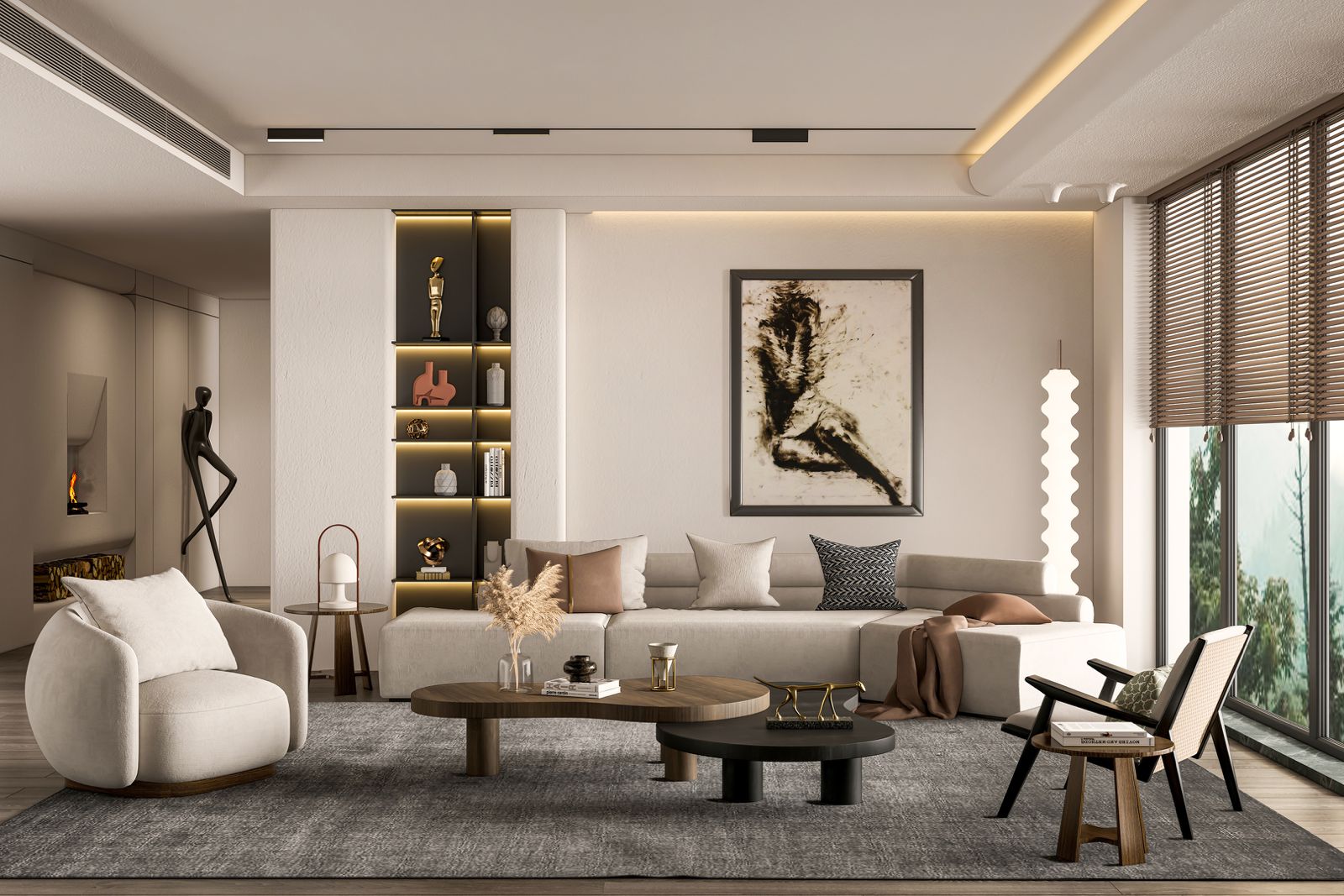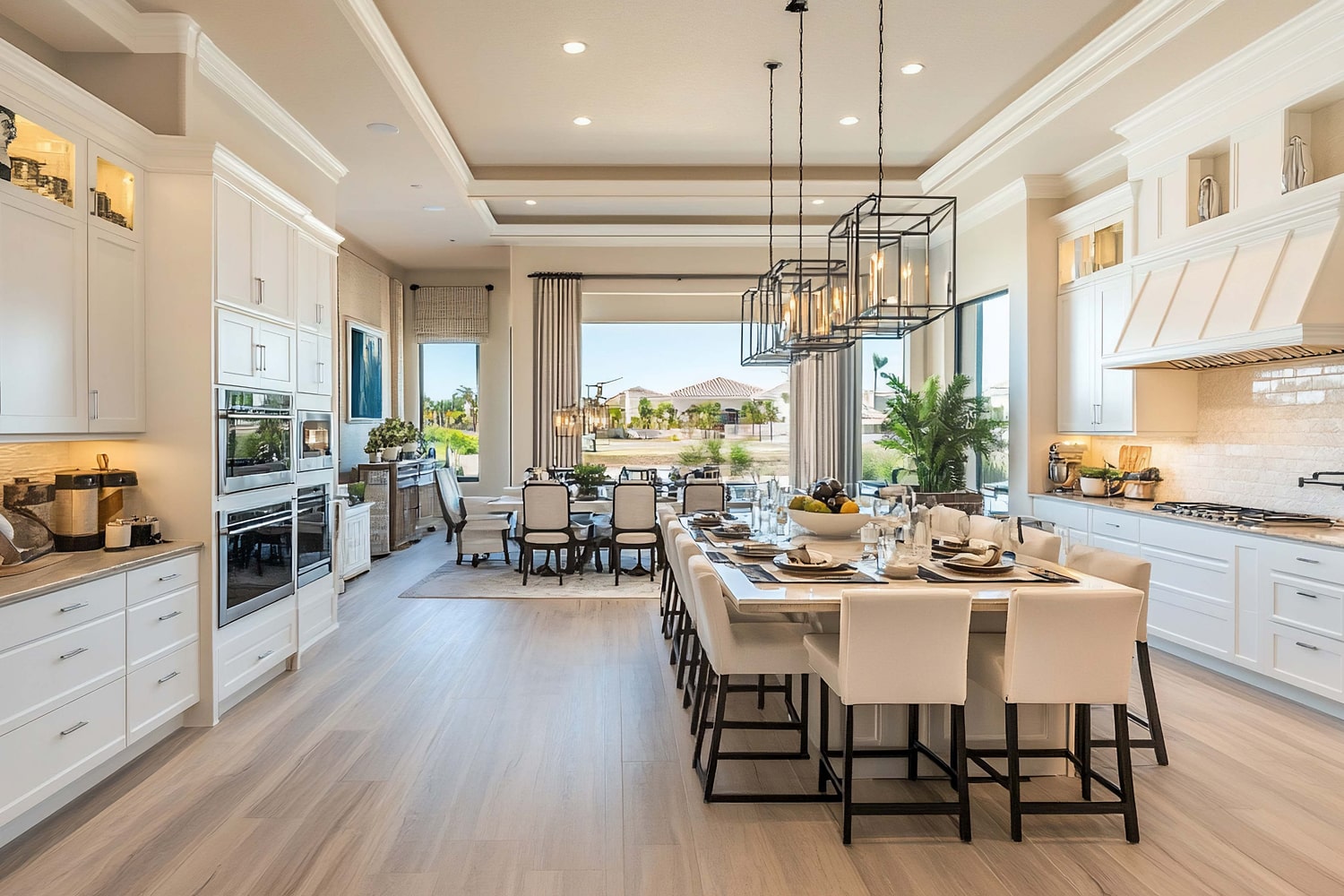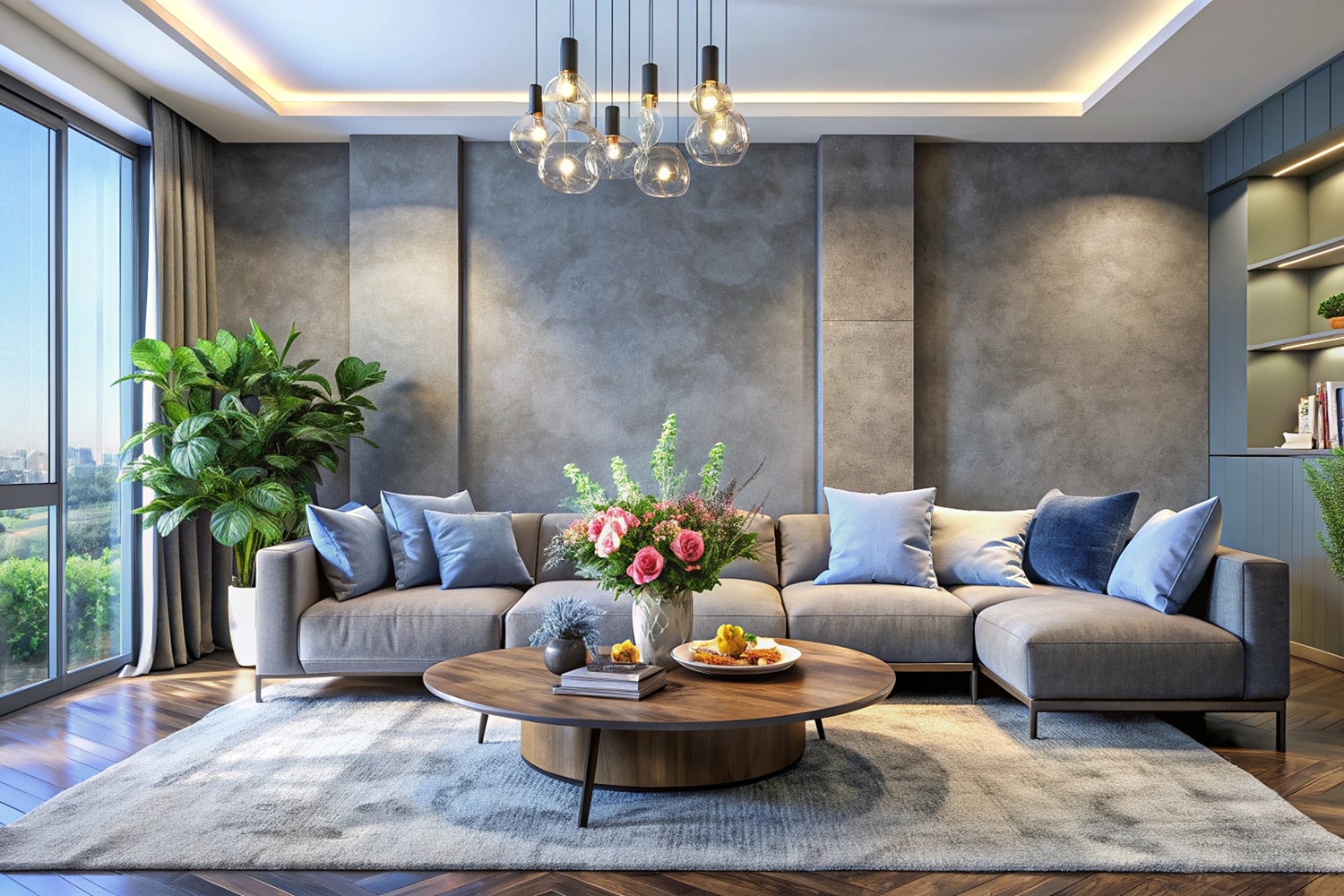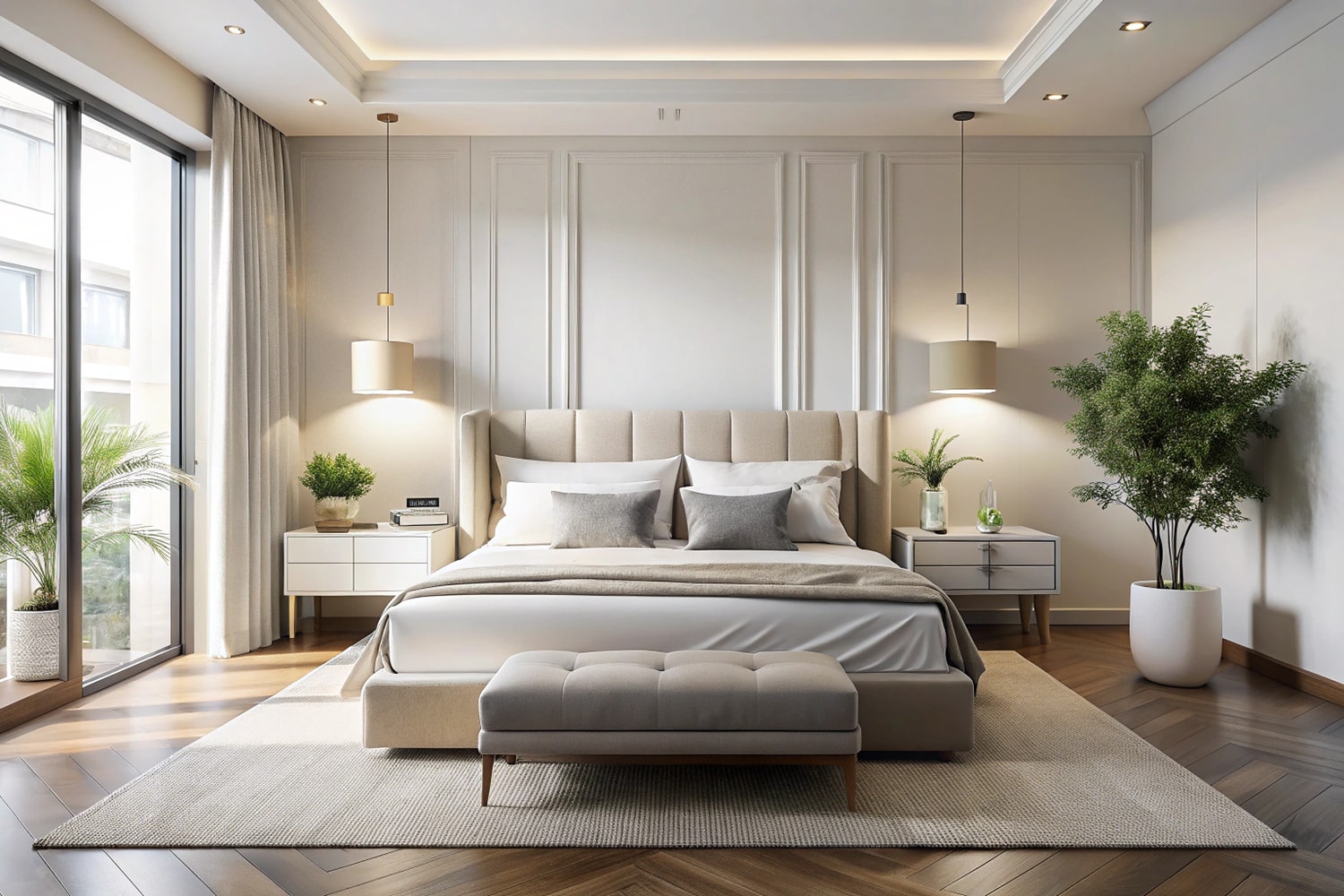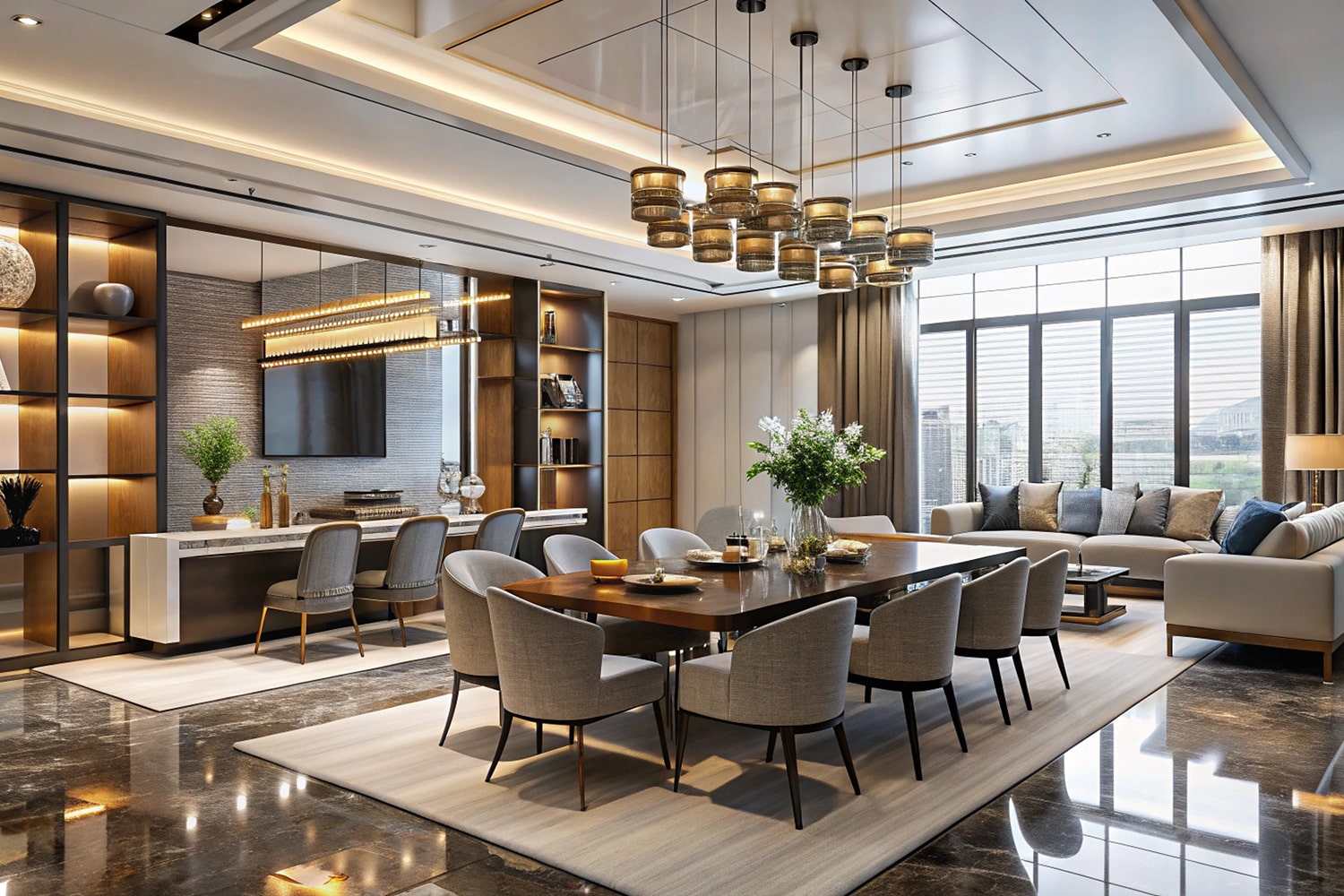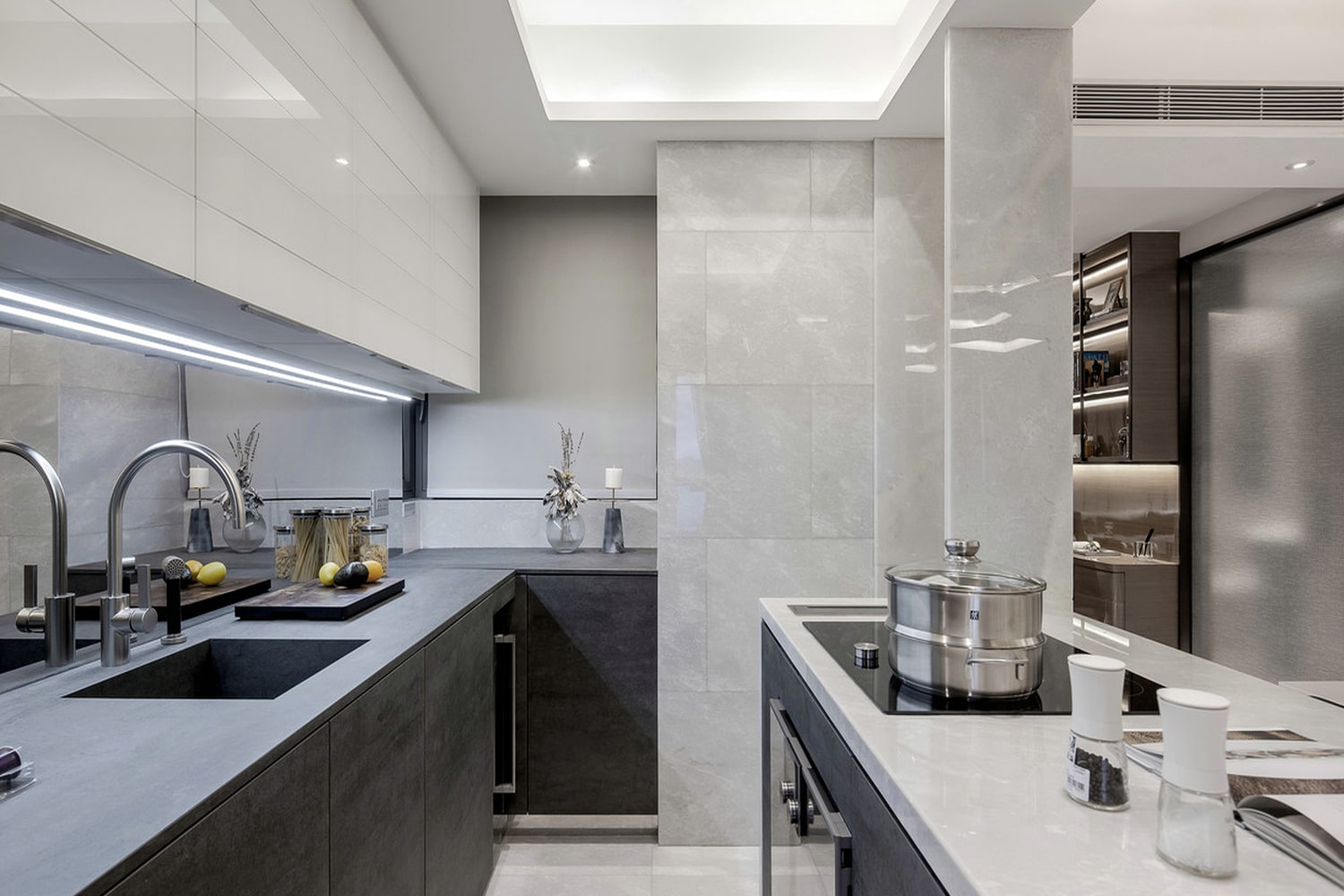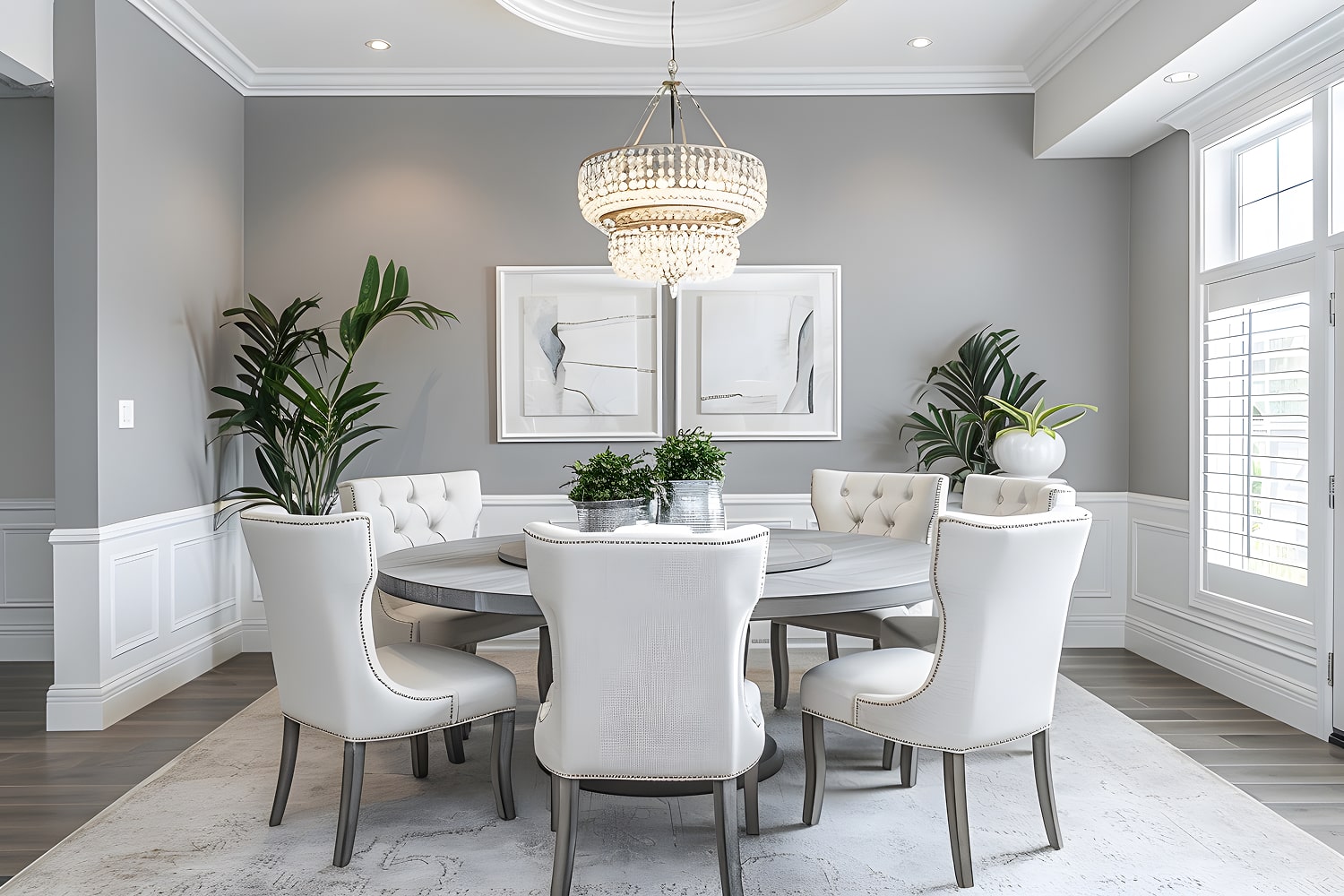
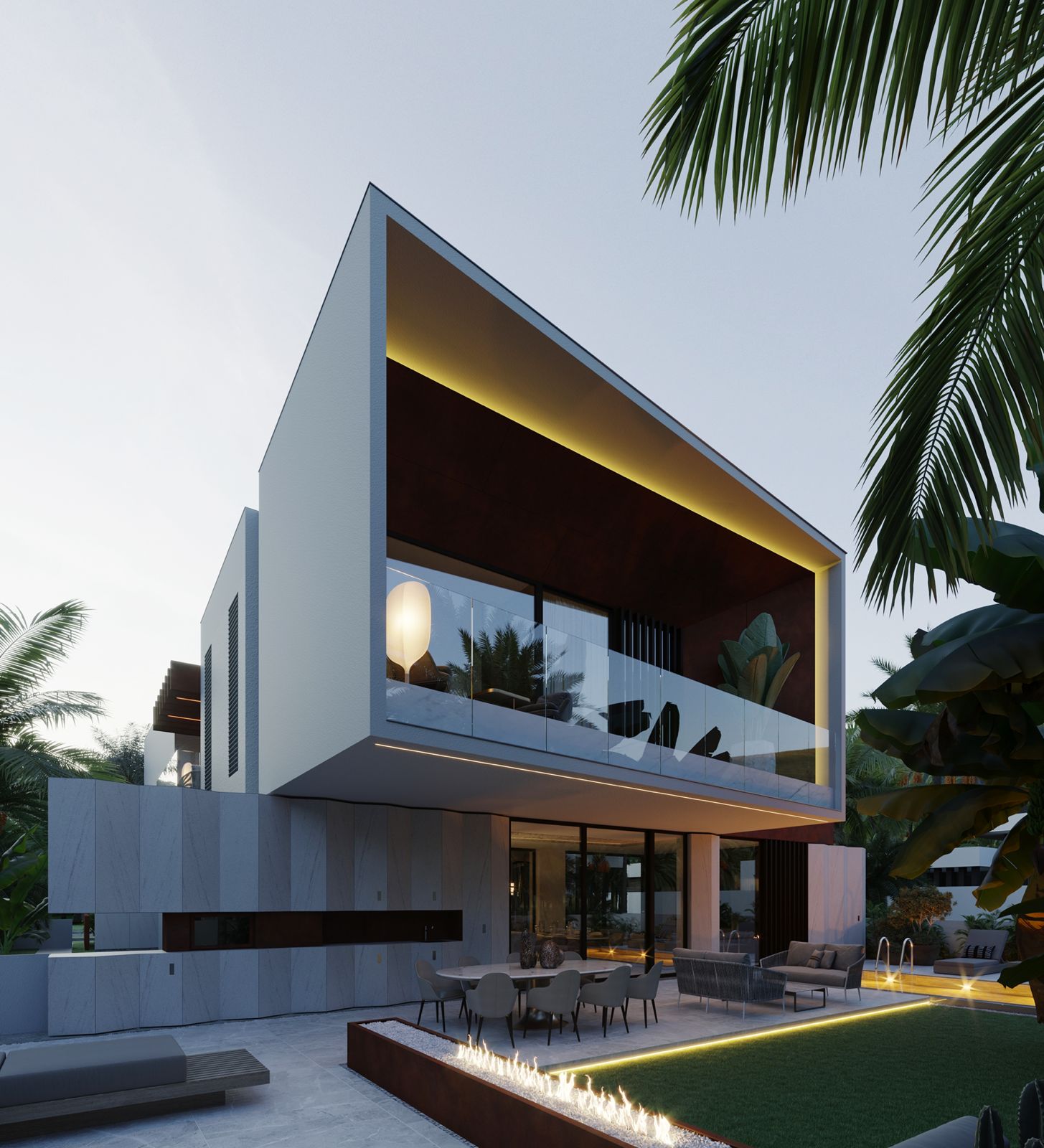
Learn how extraordinary spaces are born from the intersection of architecture and artistry. We craft environments that are as timeless as they are personal, where structural integrity meets emotional resonance, and where every design decision serves both the building and the soul.
Architecture as Emotional Experience
Architecture is often discussed in terms of structure, materials, and function—but at Souls & Spaces, we believe that the most powerful architecture speaks directly to human emotion. The way light filters through a carefully positioned window, the feeling of moving from a compressed entry into a soaring living space, the comfort of perfect proportion, the drama of an unexpected view—these experiential moments are what transform buildings into beloved homes. Our approach to architecture begins with understanding not just what you need from your space, but how you want to feel within it. Do you seek tranquility and retreat from the busy world? We create serene environments with calm palettes, natural materials, and gentle transitions between spaces. Do you want to feel energized and inspired? We design dynamic volumes with bold gestures, striking materials, and spaces that stimulate the senses. Do you crave connection to nature? We blur boundaries between inside and outside, frame views like living artwork, and bring natural elements into the architectural fabric. Every spatial decision—ceiling height, window placement, material selection, color palette, lighting design—is made with both practical and emotional considerations in mind. We study how light changes throughout the day and across seasons, how sound travels through space, how materials feel to the touch, and how proportions affect psychological comfort. This holistic approach creates architecture that satisfies on multiple levels: intellectually through innovative design, practically through excellent function, and emotionally through spaces that resonate with something deep within us.
Structural Integrity Meets Artistic Vision
Great architecture requires both the precision of engineering and the inspiration of art. At Souls & Spaces, we maintain this dual focus throughout the design process, never allowing technical requirements to compromise aesthetic vision, and never letting artistic ambition override structural necessity. Our team includes both architects and engineers from the earliest conceptual stages, ensuring that every design is not only beautiful but buildable, safe, and enduring. This collaboration allows us to push boundaries confidently—creating dramatic cantilevers that seem to defy gravity, spanning large open spaces without visual obstruction, incorporating complex geometries that challenge conventional construction, and exploring innovative materials and systems that expand what's possible. We leverage advanced computational tools for structural analysis, ensuring that even our most ambitious designs are rigorously validated before construction begins. Yet technology serves vision, not the reverse—we use these tools to enable architecture that inspires, that moves people, that creates moments of wonder. This synthesis of structure and art is evident in every project: the exposed concrete column that's also a sculptural element, the structural steel that's finished to gallery standards, the load-bearing wall that's clad in exquisite stone. We also consider sustainability as both technical requirement and ethical imperative, integrating passive design strategies, energy-efficient systems, and durable materials that reduce environmental impact while enhancing occupant comfort. The result is architecture that's as sound as it is beautiful, as responsible as it is inspiring—buildings that stand confidently in the physical world while lifting the human spirit.
Creating Timeless Architectural Narratives
Every building tells a story—of its place, its time, its purpose, and its people. As architects, we are storytellers working in space and material rather than words and images. The narrative begins with site and context: How does the building relate to its landscape? What is the history and character of its location? How can architecture respond to and enhance its surroundings? We continue the story through form and composition: What volumes create the most compelling spatial sequence? How do different areas of the program relate to each other? What views should be captured or created? The materials we select become vocabulary: rough stone speaking of permanence and connection to earth, smooth glass suggesting transparency and lightness, warm wood bringing organic comfort and texture. Details function as syntax: the way materials meet, how elements connect, where patterns repeat or contrast. Light and shadow provide punctuation: dramatic moments of brightness, contemplative pools of shade, gentle transitions between different qualities of illumination. The resulting narrative might be one of sanctuary and refuge, of celebration and gathering, of work and creativity, or of living close to nature. Whatever the story, it should be coherent, authentic, and meaningful—architecture that makes sense of itself, that reveals its purpose and values clearly, and that creates a framework for the stories of life that will unfold within it. This is architecture as more than shelter—it's architecture as poetry, as philosophy, as a physical manifestation of what it means to create space for human flourishing.